
 Condominios y edificios
  Seguros GNP
  Financieros
  Funcionalidades
  Seguros


What is Condo Association Management?
Condo association management involves organizing and overseeing a condo property. It includes maintaining common areas, managing finances, and ensuring repairs and rules are handled. Good management keeps the community organized, protects property values, and enhances residents’ living experience.
Jorge Parra January 22, 2025

Key Responsibilities of a Condo Association
A condo association, or HOA, is managed by a board of directors responsible for:
- Common Area Maintenance
Keeping shared spaces, like pools and gardens, clean and functional. - Financial Management
Collecting HOA fees, paying for maintenance, and saving in a reserve fund. - Enforcing Rules
Ensuring residents follow community guidelines for harmony and organization. - Insurance Management
Protecting the property with proper insurance and handling claims.
Professional HOA management companies often assist with these tasks, ensuring smooth operations.
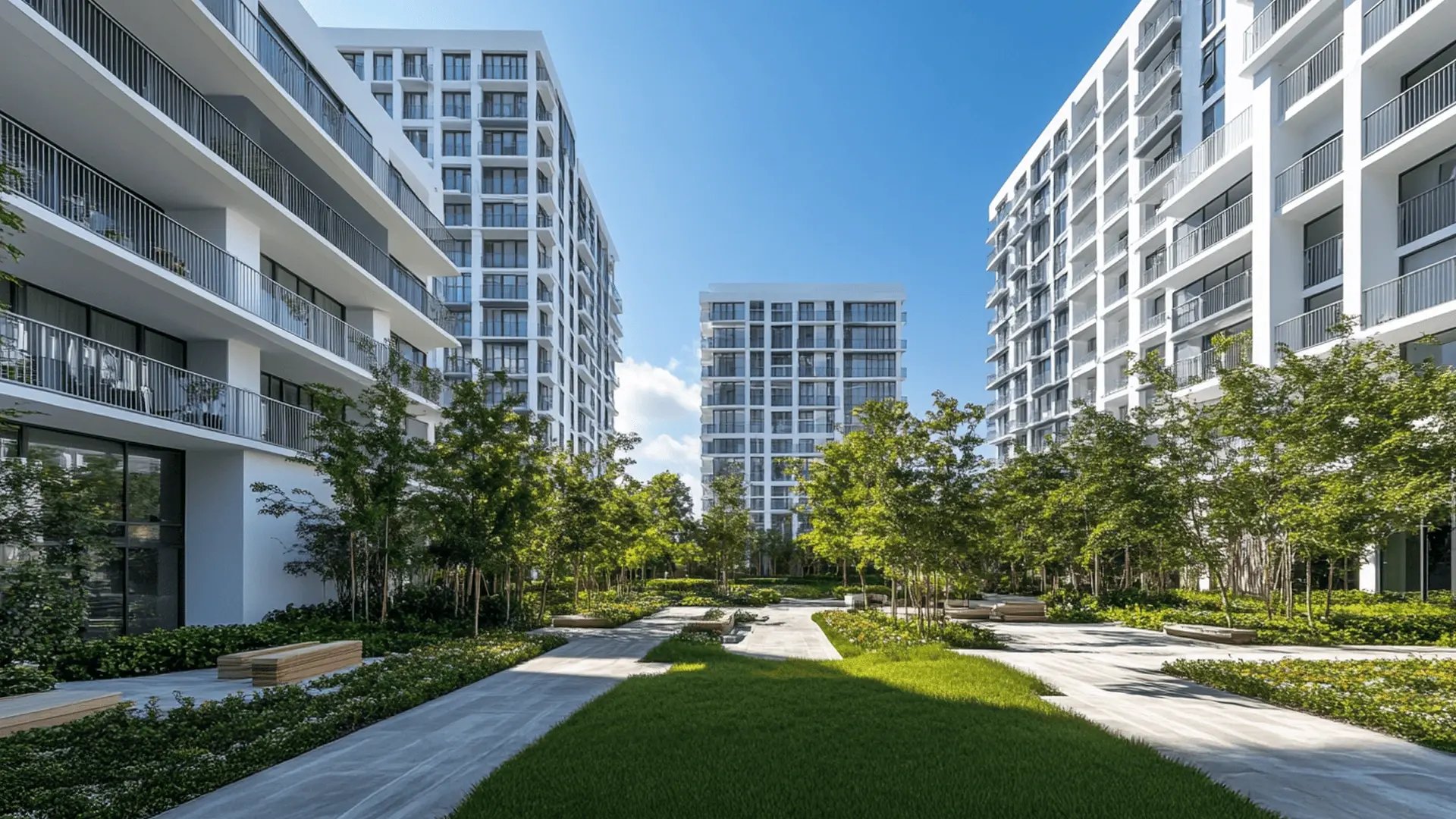
Why Do Condo Associations Exist?
Condo associations make condo living easier by maintaining shared spaces and organizing finances. Unlike single-family homes, condo residents share these responsibilities, relying on the association to handle repairs, rules, and community events.
HOA vs. Master Association: What’s the Difference?
- HOA: Manages individual buildings and their common areas.
- Master Association: Handles shared amenities like large parks or clubhouses in larger communities.
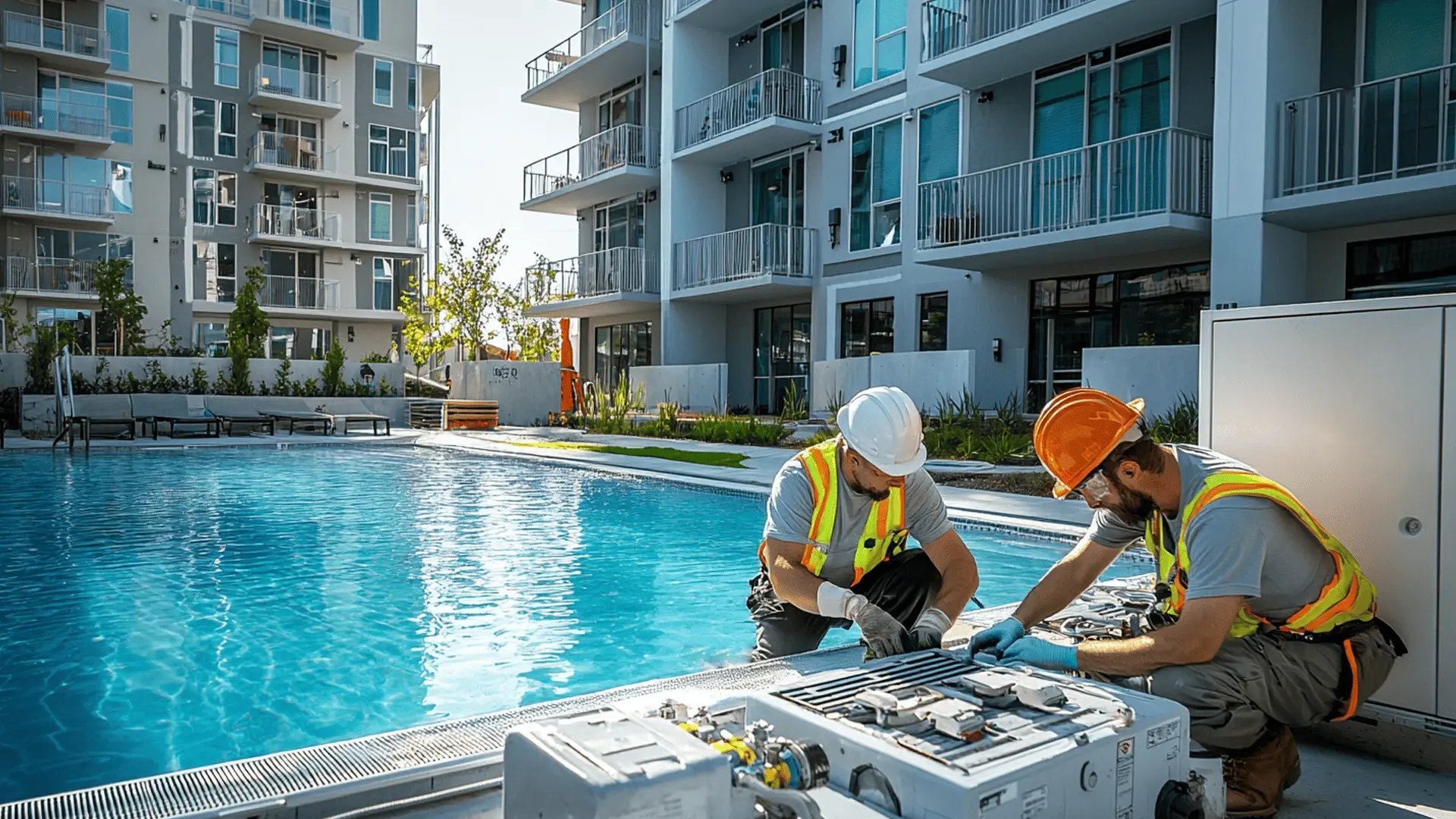
What is an HOA Management Company?
An HOA management company is a professional service hired to handle daily operations. They manage repairs, finances, and rule enforcement while following the board’s decisions. Their expertise saves time and ensures smooth operations.
Benefits of Professional Management
- Expertise: Professionals handle complex tasks and ensure legal compliance.
- Time Savings: Boards focus on decisions while management handles daily tasks.
- Financial Oversight: Timely fee collection and balanced budgets.
- Legal Protection: Compliance with local laws and bylaws.
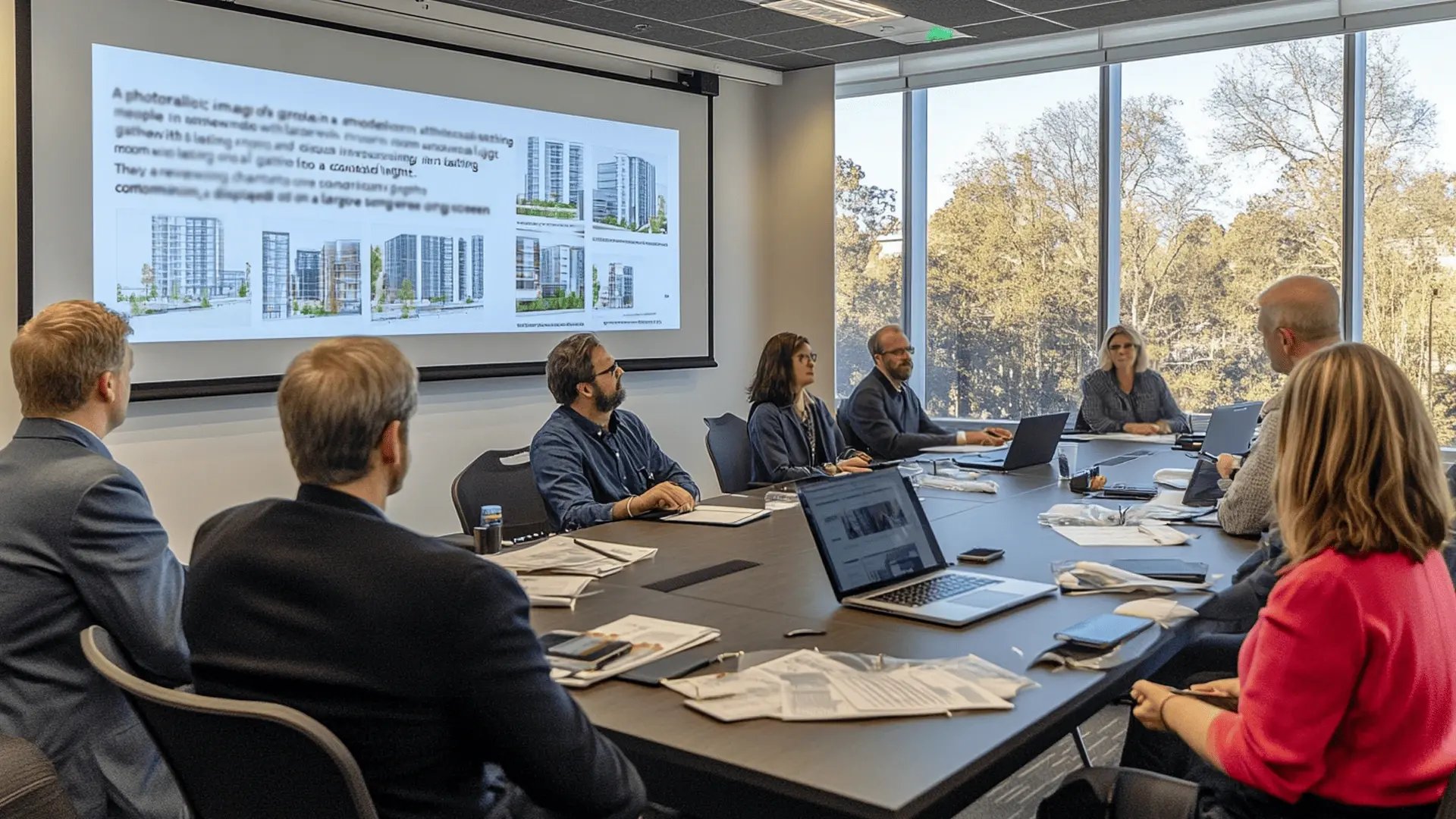
Best Practices for Condo Management
- Communicate Transparently: Share updates and decisions with residents.
- Regular Maintenance: Prevent costly repairs with routine care.
- Fair Rule Enforcement: Apply rules consistently to maintain harmony.
- Financial Planning: Save for future repairs with a solid reserve fund.
- Resident Engagement: Foster a sense of community through meetings and events.
Following these practices ensures smooth condo operations, happy residents, and protected property values.
Preguntas frecuentes sobre cobrar rentas en México 2026
¿Qué es la morosidad en la administración de rentas?
La morosidad en la administración de rentas es el retraso o incumplimiento en los pagos de arrendamiento, lo que puede afectar directamente el flujo de caja y la estabilidad operativa del portafolio.
¿Cuáles son los indicadores más importantes para cobrar renta?
Los indicadores más importantes para cobrar renta incluyen porcentaje de pagos a tiempo, días promedio de atraso, cartera vencida, reincidencia de morosidad y recuperación mensual de deuda.
¿Qué ventajas tiene automatizar la cobranza de rentas?
Las ventajas de automatizar la cobranza de rentas incluyen recordatorios automáticos, menos errores administrativos, conciliación más rápida, mejor visibilidad financiera y seguimiento más claro de pagos vencidos.
¿Por qué es importante medir la cartera vencida por antigüedad?
Medir la cartera vencida por antigüedad es importante porque permite identificar retrasos críticos, priorizar acciones de cobranza y evitar que pequeñas deudas se conviertan en problemas mayores.

No te pierdas de nada.
Recibe nuestro resumen mensual de las mejores oportunidades
del mercado.