
 Condominios
  Cobranza
  Condominios y edificios
  Seguros GNP
  Funcionalidades
  Seguros


FEATURED STORY 
10 Ejemplos de Conflictos en la Comunidad: Conflicto Vecinal
La convivencia en comunidades de vecinos puede ser complicada, y los conflictos vecinales son más comunes de lo que parece. Si no se gestionan adecuadamente, pueden escalar y afectar la tranquilidad de todos los residentes.
Aquí te mostramos los conflictos vecinales más frecuentes y cómo herramientas como Neivor pueden facilitar la administración y resolución de estos problemas.
Elena Valenzuela 18 junio 2026
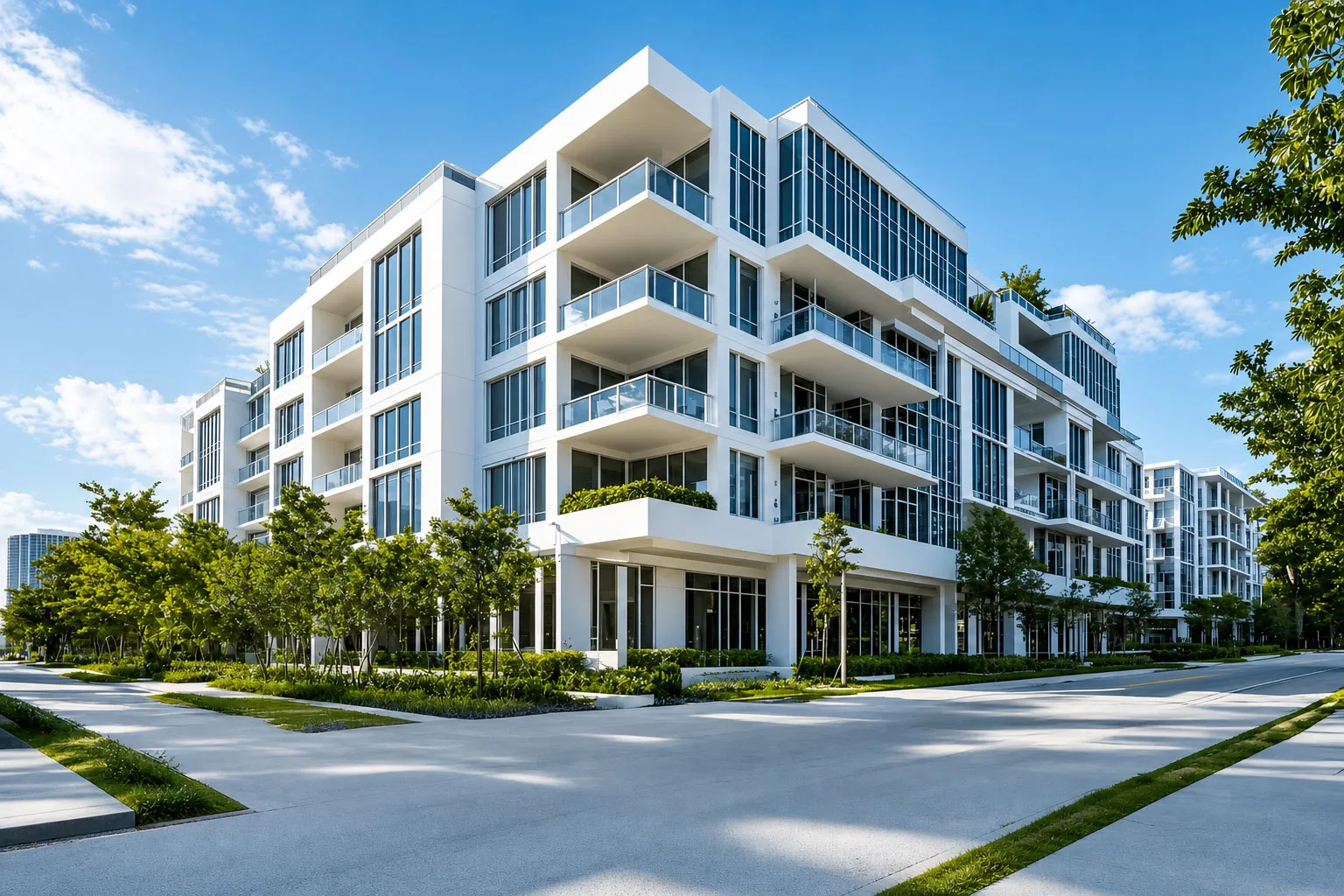
What is Condo Maintenance?
What is condo maintenance? It’s the upkeep of the condo property, which includes both the individual units owned by residents and the common elements shared by everyone. Common tasks include cleaning, snow removal, landscaping, and repairs to shared spaces like swimming pools or the roof.
The work is divided:
- Condo owners take care of the inside of their unit, like appliances and flooring.
- Condo corporations manage the exterior and shared spaces, such as hallways and outdoor areas.
Good maintenance ensures the building stays in great condition and retains its value in the real estate market.
Do Condos Have Maintenance?
Yes, every condo requires maintenance. If you’re a condo owner, you handle repairs inside your unit. This means fixing things like leaky faucets, broken light fixtures, or damaged walls.
The condo corporation, often managed by a property manager, takes care of the common elements. These are shared spaces like hallways, lobbies, and gardens. This division of labor makes condos easier to maintain than single-family homes.
What is Condo Maintenance Fee?
Condo maintenance fees are monthly payments made by unit owners to cover the upkeep of shared spaces and amenities. These fees usually include:
- Cleaning of shared areas like lobbies and gyms.
- Landscaping and snow removal.
- Utilities for common elements, such as hallway lighting and water.
- Security services and insurance for the building.
- Contributions to a reserve fund for future repairs.
By pooling money, all residents ensure the building remains safe, clean, and functional.
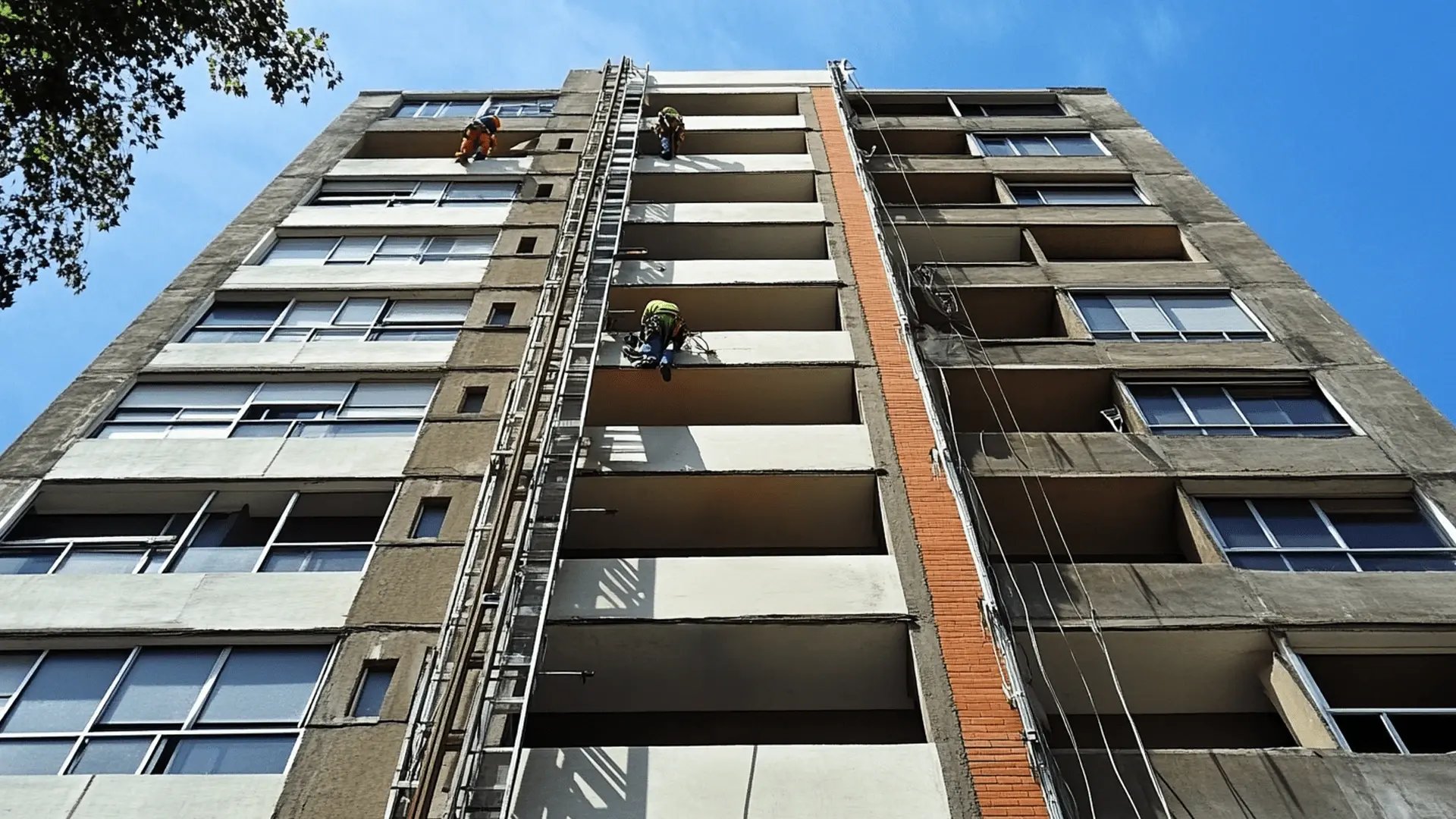
Are Condo Maintenance Fees Negotiable?
No, condo maintenance fees are usually not negotiable. The condo corporation calculates these fees based on the building’s budget, dividing costs among all the condo units. Factors like unit size and shared usage can influence how much you pay.
However, as a condo owner, you can participate in condo board meetings to discuss how funds are spent and suggest ways to save money on maintenance and repair.
What is Included in Maintenance Fees for Condos?
Your monthly maintenance fees cover a variety of services, such as:
- Common element maintenance: Repairs to shared spaces like gyms, lobbies, and swimming pools.
- Utilities for common areas: Electricity, water, and heating in lobbies or hallways.
- Security services: Guards, cameras, or other systems to ensure safety.
- Insurance: Coverage for shared spaces and the building’s exterior.
- Reserve fund contributions: Savings for future repairs like roof replacement or elevator maintenance.
These services make condo living easier and more convenient for all residents.
How Are Condo Maintenance Fees Calculated?
Understanding how condo maintenance fees are calculated helps you see why they’re necessary. The fees are based on:
- Total maintenance costs: The amount needed to keep the property clean, safe, and functional.
- Unit size: Larger condo units often pay higher fees since they represent a bigger share of the property.
- Amenity usage: In some buildings, fees are adjusted based on how often amenities are used.
Fees are reviewed annually to ensure the building has enough funds for both routine upkeep and unexpected repairs.

What am I Responsible for in a Condo?
As a condo owner, you’re responsible for maintaining the interior of your unit. This includes:
- Fixing or replacing appliances like stoves and refrigerators.
- Repairing faucets, pipes, or electrical outlets.
- Taking care of walls, flooring, and ceilings.
- Keeping your HVAC system running smoothly.
Regular maintenance of your unit keeps it in good condition and avoids issues with the condo corporation.
What Are You Not Responsible for in a Condo?
The condo corporation handles anything outside your unit or shared by all residents, such as:
- Repairs to the roof, exterior walls, or foundation.
- Landscaping and snow removal in outdoor spaces.
- Maintenance of shared utilities like hallway lighting or lobby heating.
Knowing what’s not your responsibility helps you focus on your unit while leaving larger tasks to the condo board or property manager.
Are Condos Easier to Maintain?
Yes, condos are much easier to maintain than single-family homes. As a condo owner, you only worry about your unit, while the condo corporation takes care of the big jobs like repairing the roof or maintaining the landscaping. This makes condos a popular choice for people who want a lower-maintenance lifestyle.
Should Condos Hire a Maintenance Company?
Hiring a maintenance company is a smart move for condo boards. These companies handle tasks like cleaning, snow removal, and major repairs. This is especially helpful for older buildings, which often need more upkeep.
A professional company ensures that the property is well-maintained, keeping residents happy and preserving the condo’s value in the real estate market.
How Neivor Helps Condos
Neivor is a platform that helps condo boards and condo corporations manage their properties more efficiently. It handles tasks like tracking expenses, processing maintenance requests, and communicating with residents.
By using tools like Neivor, condo communities can simplify operations, save time, and keep everyone happy.
Living in a condo means shared responsibilities and costs. Knowing what condo maintenance involves, how condo maintenance fees are calculated, and what’s included helps you make the most of your investment. With proper care and communication, condo living can be easy and enjoyable for all unit owners.
Preguntas frecuentes sobre cobrar rentas en México 2026
¿Qué es la morosidad en la administración de rentas?
La morosidad en la administración de rentas es el retraso o incumplimiento en los pagos de arrendamiento, lo que puede afectar directamente el flujo de caja y la estabilidad operativa del portafolio.
¿Cuáles son los indicadores más importantes para cobrar renta?
Los indicadores más importantes para cobrar renta incluyen porcentaje de pagos a tiempo, días promedio de atraso, cartera vencida, reincidencia de morosidad y recuperación mensual de deuda.
¿Qué ventajas tiene automatizar la cobranza de rentas?
Las ventajas de automatizar la cobranza de rentas incluyen recordatorios automáticos, menos errores administrativos, conciliación más rápida, mejor visibilidad financiera y seguimiento más claro de pagos vencidos.
¿Por qué es importante medir la cartera vencida por antigüedad?
Medir la cartera vencida por antigüedad es importante porque permite identificar retrasos críticos, priorizar acciones de cobranza y evitar que pequeñas deudas se conviertan en problemas mayores.
No te pierdas de nada.
Recibe nuestro resumen mensual de las mejores oportunidades
del mercado.